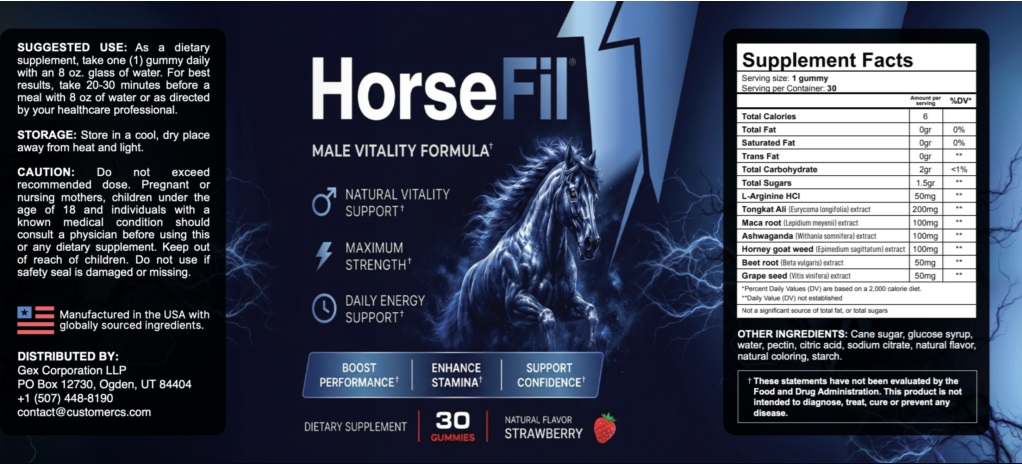
Equine athletes burn through vital nutrients at a fast pace during heavy training blocks. Standard grass and hay often fail to meet these high demands. You need a targeted feed additive to fill those nutritional gaps without causing stomach upset. Horsefil supplement offers a balanced blend to support peak athletic output. This review breaks down how the product works based on active ingredients, absorption rates, and veterinary science.
What is Horsefil Supplement and How Does It Work
Horsefil is a daily feed additive made to support equine health at a cellular level. The formula provides essential vitamins and minerals that standard forage lacks. These components target muscle recovery and joint health without overloading the digestive tract.

Formulation Science and Active Ingredients
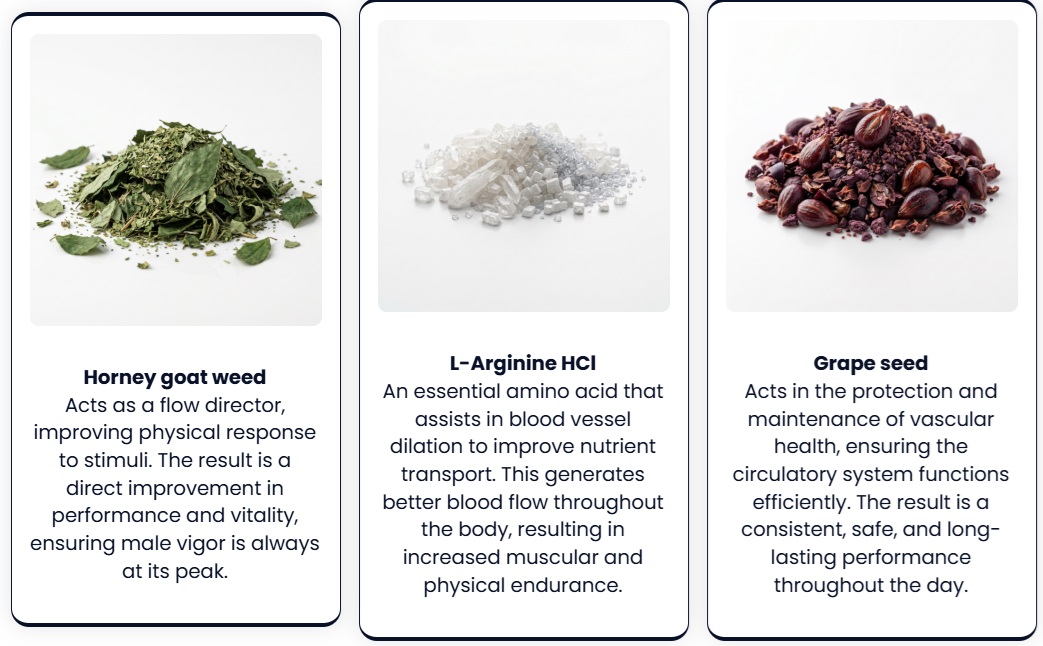
The manufacturer label lists a precise mix of trace minerals, amino acids, and B-vitamins. Zinc and copper support hoof wall strength and skin health. Vitamin E and selenium act as antioxidants to protect cell walls from damage. Amino acids like lysine help build and repair muscle fibers after hard work.
Bioavailability and Cellular Absorption in Equine Digestion
Horses digest fiber through hindgut fermentation, which can break down fragile nutrients before the body absorbs them. This supplement uses chelated minerals to protect key elements through the stomach. These bonded minerals pass safely into the small intestine for better uptake. Better absorption means your horse gets more value from every scoop.
Target Equine Demographics and Ideal Candidates
Different horses need different levels of nutritional support. Senior horses with poor teeth absorption do well on this formula. Elite sport horses facing heavy stress also benefit from the extra vitamins. Lay-ups recovering from injury regain lost muscle mass much faster with this daily support.
Evaluating the Performance and Recovery Benefits
Targeted nutrition changes how a horse feels and moves under saddle. Good feed additives reduce downtime between hard training sessions.
Muscle Repair and Lactic Acid Clearance
Hard work causes micro-tears in muscle tissue and builds up lactic acid. The amino acids and antioxidants in this supplement speed up cellular repair. Your horse recovers faster and shows less stiffness the next morning.
Joint Mobility and Connective Tissue Resilience
High-impact sports place heavy strain on joints and tendons. The ingredients help maintain healthy synovial fluid inside the joint capsule. This protection keeps strides fluid and preserves cartilage over years of competition.
Coat Condition and Hoof Integrity as Internal Health Markers
An outward glow often starts with what goes into the feed tub. Improved nutrient uptake leads to a shiny coat and a smooth shedding cycle. Hoof walls grow in stronger, with fewer cracks and better shoe retention.
Safety Profiles, Side Effects, and Dosage Protocols
Adding a new product to a daily feed routine requires careful planning. You must follow proper guidelines to keep your horse safe and compliant with rules.
Recommended Daily Dosage by Weight and Workload
Scoop sizes vary based on body weight and daily exertion levels.
- Miniature horses and ponies need half a scoop per day.
- Average riding horses up to 1,200 pounds take one full scoop.
- Warmbloods and heavy draft horses in heavy work require two scoops daily.
- Adjust the amount down if your horse drops into light pasture work.

Potential Allergic Reactions and Contraindications
Most horses tolerate the formula well, but feed changes can upset sensitive stomachs. Watch for loose stool or hives during the first week of use. Stop feeding the product immediately if you see signs of an allergy. Check with your vet before combining this supplement with prescription medications.
Compliance with Equestrian Federation Drug Rules
Show riders must check active ingredients against current federation guidelines. Horsefil contains standard vitamins and minerals that are legal for open competition. Always verify the current rules with USEF or FEI before heading to a show.
Comparing Horsefil to Alternative Equine Supplements
The feed market is full of choices for the modern horse owner. You need to weigh cost against real results.
Cost-Benefit Analysis Against Competitor Formulations
Generic multi-vitamins cost less per bag but often lack targeted amino acids. Premium joint products focus on one area while leaving other gaps open. Horsefil covers multiple bases at a mid-range price point, which saves you from buying three separate tubs.
Ingredient Transparency and Manufacturing Standards
Quality control matters when you feed a product every single day. Look for brands that use batch testing to ensure label accuracy. Clean manufacturing prevents cross-contamination with banned substances.
Practical Feeding Trials and Palatability Rates
Picky eaters can turn their noses up at powdered supplements. This formula uses a natural grain base that most horses accept right away. Top-dressing the feed usually works, but you can add a splash of water or oil if your horse sifts out the powder.
Expert Perspectives and Veterinary Insights
Top trainers and vets rely on data when choosing feed additives. Real-world results help prove what works in the barn.
Case Studies from Equine Rehabilitation Centers
Rehab barns often use targeted nutrition to rebuild wasted muscle on recovering patients. Horses returning to work after tendon injuries show better topline muscle tone when given this support. The added amino acids give the body the building blocks it needs for tissue repair.
Preventive Care Integration Strategies
Nutrition is just one part of a good stable management routine. Pair your supplement plan with routine dental floats and regular farrier visits. Keep up with a proper deworming schedule and daily turnout to get the best results from your feed program.
Conclusion
Horsefil supplement provides a balanced way to support performance and recovery. The chelated minerals and amino acids fill common gaps in standard forage diets. Always talk to your equine veterinarian before changing your horse’s daily ration. Track baseline metrics like weight, coat shine, and recovery time to measure how well the product works for your horse.